


Failed Flat Roof Seams: A Common Cause of Commercial Roof Leaks
TPO, PVC, and EPDM roofs are installed in large membrane sheets joined by heat-welded or adhesive seams. When those seams separate, crack, wrinkle, or lose adhesion, water can move beneath the roof membrane long before anyone sees a drip inside the building.
A small seam failure can eventually lead to wet insulation, corrosion, mold growth, interior damage, and shortened roof life.
For commercial building owners, property managers, facility directors, and asset managers, finding seam failures early can mean the difference between a targeted repair and a much larger capital project.
Concerned about a recurring commercial roof leak?

What Is a Failed Flat Roof Seam?
Single-ply commercial roofing systems use adjoining membrane sheets to form a continuous waterproof surface.
Depending on the roof system, those seams may be:
-
Heat welded
-
Bonded with adhesives
-
Sealed with tapes or other manufacturer-approved materials
A seam has failed when the joint no longer provides a continuous watertight connection.

Common forms of roof seam failure include:
-
Open or separating seams
-
Cracked seam material
-
Failed adhesive
-
Incomplete heat welds
-
Fishmouths or raised wrinkles
-
Membrane shrinkage pulling seams apart
-
Loose edges around flashing or penetrations
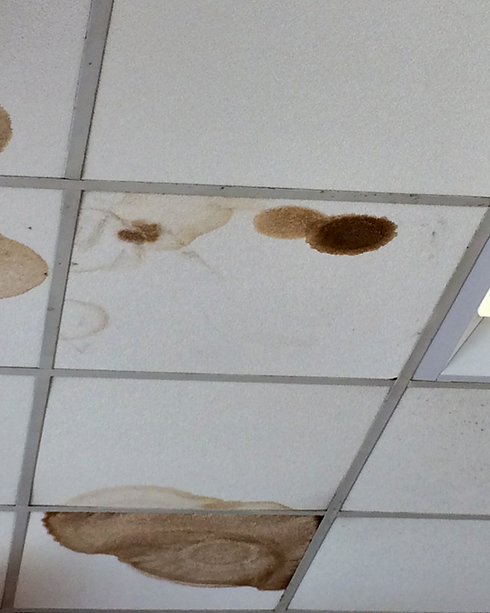
Once water gets beneath the membrane, it may travel through the roof assembly before appearing inside the building. The visible ceiling stain may be several feet away from the actual point of entry.
That is why recurring roof leaks are often difficult to diagnose through interior observation alone.
.png)
What Causes Flat Roof Seams to Fail?
Poor Installation
Improper installation can create weak seams from the beginning.
-
Inadequate heat welding
-
Insufficient adhesive coverage
-
Dirty or contaminated membrane surfaces
-
Inadequate membrane overlap
-
Poor surface preparation
-
Incorrect fastening
-
Failure to follow manufacturer requirements
A newly installed roof can leak if the seams were not completed correctly.
Thermal Expansion and Contraction
Commercial roofs expand and contract as temperatures change.
Daily and seasonal temperature swings continuously place stress on membrane sheets, seams, flashing, and fasteners. Over time, this movement can weaken joints and cause the membrane to pull apart.
Buildings in the Pacific Northwest experience repeated cycles of rain, freezing temperatures, summer heat, and rapid weather changes that can accelerate roof movement and material fatigue.


UV Exposure and Weather
Roof membranes are exposed to sunlight, rain, snow, ice, hail, wind, and temperature changes throughout their service life.
Over time, this exposure may cause:
-
Drying and brittleness
-
Surface cracking
-
Loss of flexibility
-
Adhesive deterioration
-
Membrane shrinkage
-
Seam fatigue
Even a well-installed commercial roof requires regular inspection as it ages.
Wind Uplift
Strong winds create suction forces across a commercial roof.
Repeated movement can place stress on:
-
Membrane seams
-
Roof edges
-
Parapet flashing
-
Mechanical fasteners
-
Areas around rooftop equipment
Roofs on exposed buildings, open sites, waterfront properties, and elevated structures may be especially vulnerable to wind-related seam damage.
Building Movement
Commercial buildings move.
Structural settling, vibration, expansion joints, equipment operation, and changes in loading conditions can all affect the roof assembly.
Movement may place additional stress on seams near:
-
Expansion joints
-
Parapet walls
-
Roof transitions
-
Equipment curbs
-
Changes in roof elevation
Aging Roofing Systems
Seam failures become more common as a roofing system approaches the later stages of its service life.
The actual service life depends on:
-
Roof membrane type
-
Installation quality
-
Maintenance history
-
Drainage performance
-
Climate exposure
-
Foot traffic
-
Rooftop equipment
-
Previous repairs
An older roof does not automatically require replacement. It does require closer inspection and better documentation.
Warning Signs of Flat Roof Seam Failure
Early seam failure is not always visible from the ground.

Possible warning signs include:
-
Open or separating membrane seams
-
Lifted membrane edges
-
Fishmouths or raised wrinkles
-
Cracked or deteriorated seam material
-
Loose flashing around rooftop equipment
-
Membrane blisters or wrinkles
-
Ponding water near seams
-
Interior ceiling stains
-
Recurring leaks after rainfall
-
Wet insulation
-
Rising heating or cooling costs
-
Repeated repair attempts that do not solve the leak
A recurring leak is often a sign that the original source has not been correctly identified.
Why Failed Roof Seams Become Expensive
A roof leak rarely stays limited to the roof surface.
Water entering through an open seam may spread through insulation and other roofing materials before it becomes visible inside the building.
Wet roof insulation can:
-
Lose thermal performance
-
Increase heating and cooling costs
-
Retain moisture against the roof deck
-
Contribute to corrosion
-
Support microbial growth
-
Make future repairs more extensive
Additional damage may include:
-
Rusted metal roof decking
-
Damaged ceiling tiles
-
Mold or mildew
-
Electrical hazards
-
Interior finish damage
-
Damaged inventory or equipment
-
Business interruption
-
Reduced roof service life
By the time water is dripping from the ceiling, the underlying damage may have been developing for weeks or months.
Why Roof Seam Leaks Are Often Misdiagnosed
Water does not always travel straight down.
Once moisture gets beneath a commercial roof membrane, it may move laterally through insulation, along structural components, or toward low areas before appearing inside.
As a result:
-
The ceiling stain may not be below the failed seam.
-
Previous repairs may have been made in the wrong location.
-
A visible membrane defect may not be the only source.
-
Condensation may be mistaken for a roof leak.
-
Several small defects may be contributing to one interior symptom.
A proper commercial roof leak investigation should evaluate the full roof system rather than focus only on the area directly above the interior damage.

How Drone Roof Inspections Detect Failed Seams
Large commercial roofs can take hours to inspect on foot.
Drone roof inspections allow an experienced inspector to document the roof surface quickly while reducing unnecessary exposure to fall hazards.
High-resolution drone imaging can help identify:
-
Open seams
-
Fishmouths
-
Membrane separation
-
Shrinkage
-
Loose flashing
-
Roof punctures
-
Ponding water
-
Storm damage
-
Mechanical damage
-
Problems around rooftop equipment
-
Areas requiring closer on-roof evaluation
Drone imagery also creates a permanent visual record that building owners and maintenance teams can use to:
-
Locate repairs
-
Compare roof conditions over time
-
Support maintenance planning
-
Document storm damage
-
Verify completed work
-
Communicate with roofing contractors
Drone imaging does not eliminate the need for physical verification when verification is necessary. It helps inspectors identify and document where closer investigation should occur.
How Thermal Drone Inspections Find Hidden Roof Moisture
A standard visual inspection can identify visible seam damage, but it cannot show whether water has spread beneath the roof membrane.
Thermal infrared roof surveys look for temperature patterns that may indicate moisture within the roof assembly.
Under appropriate weather and roof conditions, wet roofing materials may heat and cool differently from dry materials. This can create thermal patterns that help an experienced thermographer identify suspect areas.
Thermal imaging may help locate:
-
Wet insulation beneath the membrane
-
Areas affected by recurring leaks
-
Moisture spreading beyond a visible seam defect
-
Roof sections that may require targeted testing
-
Areas that may be suitable for repair rather than replacement
Thermal imaging detects temperature differences. It does not directly measure moisture.
Suspect areas should be confirmed through appropriate methods, which may include moisture meters, test cuts, core samples, or other investigative procedures.
Drone Imaging and Thermal Imaging Serve Different Purposes
High-Resolution Visual Imaging
Best for documenting:
-
Open seams
-
Cracks
-
Loose flashing
-
Punctures
-
Surface wear
-
Ponding water
-
Drainage problems
-
Rooftop equipment conditions
Thermal Infrared Imaging
Best for screening for:
-
Suspected wet insulation
-
Hidden moisture patterns
-
Areas of thermal inconsistency
-
Potential moisture migration beneath the membrane
Used together, visual and thermal imaging provide a more complete picture of the roof's condition.


Should a Failed Roof Seam Be Repaired or Should the Roof Be Replaced?
A failed seam does not automatically mean the entire roof needs replacement.
The correct response depends on:
-
Number and location of failed seams
-
Condition of the roof membrane
-
Amount of moisture in the roof assembly
-
Condition of the insulation and roof deck
-
Age of the roof
-
History of previous repairs
-
Manufacturer warranty requirements
-
Overall drainage performance
-
Expected remaining service life
A localized seam failure may only require a targeted repair.
Widespread seam deterioration, saturated insulation, extensive membrane shrinkage, or a failing roof deck may require more extensive work.
The purpose of a professional roof inspection is to collect enough information to make that decision based on evidence rather than assumption.
Preventive Commercial Roof Inspections Save Money
Repairing a localized seam failure is generally far less expensive than replacing saturated insulation, corroded decking, or damaged interior finishes.
Commercial roofs should be evaluated:
-
At least annually
-
After major windstorms
-
After hail
-
Following heavy snow or ice events
-
When recurring leaks occur
-
Before a roof warranty expires
-
Before purchasing a commercial building
-
Before planning major roof replacement
-
After significant rooftop contractor activity
Routine inspection supports:
-
Preventive maintenance
-
Roof asset management
-
Capital planning
-
Warranty documentation
-
Repair prioritization
-
Reduced emergency costs
-
Longer roof service life
Frequently Asked Questions
How can I tell if a flat roof seam has failed?
Visible signs may include open seams, lifted edges, fishmouths, wrinkles, cracked seam material, and recurring leaks. Some failures are difficult to identify without close inspection or high-resolution imagery.
Can a small seam opening cause major damage?
Yes. A small opening can allow water to spread through insulation and other roofing materials before a leak becomes visible inside the building.
Can thermal imaging detect a failed seam?
Thermal imaging does not show seam adhesion directly. Visual imaging can document the seam defect, while thermal imaging may identify moisture that has entered beneath it.
Why does the ceiling leak appear far from the damaged seam?
Water can travel laterally beneath the roof membrane or through insulation before it reaches the building interior.
Can a failed seam be repaired?
Many localized seam failures can be repaired. The surrounding membrane, insulation, roof deck, and moisture conditions should be evaluated before deciding on the repair scope.
How often should commercial roof seams be inspected?
At least annually and after major weather events. Older roofs, roofs with recurring leaks, and roofs with frequent foot traffic may require more frequent inspections.
Do drone roof inspections replace an on-roof inspection?
No. Drone inspections help identify, document, and prioritize suspect areas. Physical inspection or moisture testing may still be needed to confirm specific conditions.
References and Industry Resources
-
ASTM C1153 – Standard Practice for Location of Wet Insulation in Roofing Systems Using Infrared Imaging
-
National Roofing Contractors Association (NRCA) Roofing Manuals
-
International Institute of Building Enclosure Consultants (IIBEC)
-
FAA Part 107 Small Unmanned Aircraft Systems Regulations
Protect Your Commercial Roof Before a Small Seam Failure Becomes a Major Leak
Failed seams are easier and less expensive to address before water spreads through the roof assembly.
Western UAS provides high-resolution drone inspections, thermal infrared roof surveys, moisture assessments, and detailed documentation for commercial property owners, facility managers, schools, HOAs, and property management teams.
A professional roof inspection can help you determine:
-
Where water is entering
-
Whether moisture is trapped beneath the membrane
-
Which areas require immediate repair
-
Whether targeted repairs may extend the roof's service life
-
Whether replacement is actually necessary
